How to Tell the Difference
Many people use foot creams for dry or scaly skin without realising the problem may not be simple dryness. In some cases,
it may be Tinea pedis (Athlete’s Foot) — a common fungal infection.
Understanding the difference helps ensure you use the correct treatment.
✔ Dry Skin
Typical Signs:
- Fine, powdery, or flaky skin
- Usually affects heels, sides, or soles of the feet
- Skin may appear dull or slightly cracked
- Both feet tend to look similar
- Skin feels tight or rough
- Not usually very itchy (mild at most)
- Does not spread
Improves with regular moisturising
Cause:
Loss of natural moisture from the skin.
Treatment:
Daily moisturising creams containing urea or emollients.
⚠ Athlete’s Foot (Tinea Pedis)
Typical Signs:
- Caused by a fungal infection (contagious)
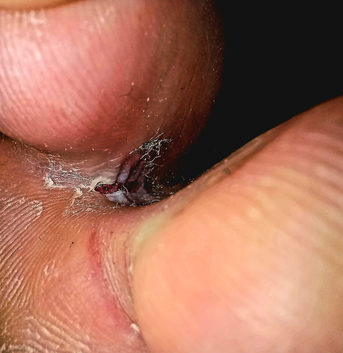
- Peeling, scaling, or white soggy skin between toes (especially 4th and 5th toes)
- Redness with clear or well-defined edges
- May spread across the sole in a “moccasin” pattern
- May cause small blisters
- Often starts on one foot
- Can be very itchy
- May sting or burn
- Can crack and become sore
- Does not improve with moisturising creams
May spread to toenails (yellow, thickened, crumbly nails)
Cause:
Fungal infection thriving in warm, moist environments.
Treatment:
Antifungal creams or sprays (as advised by a healthcare professional).
Other Conditions That May Look Similar
- Chronic eczema
- Psoriasis
If symptoms persist, worsen, or involve the nails, professional assessment is recommended.
When to Seek Advice
- If you are unsure of the diagnosis
- If the condition does not improve after treatment
- If you have diabetes or poor circulation
- If the skin becomes painful, inflamed, or infected